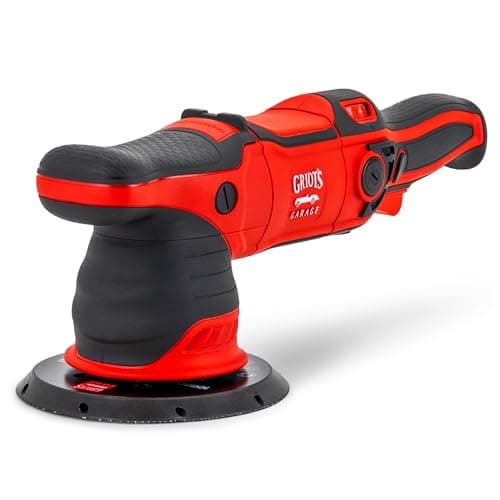
Best overall
The best dual action polishers
Six machines from a $50 first polisher to a 15mm long-throw, ranked on throw, control and what each tier genuinely buys you.
Updated October 2026
Independent picks for detailing your own car. We stock nothing, so we have nothing to move.
Polishers & correction
The machine matters less than the pad and the compound on it. Here is how the tiers actually differ, and where spending more stops buying you anything.
Our top pick in this section: the Griot's Garage Griot's Garage G9 Random Orbital Polisher.
How this is funded: we earn an Amazon commission when you buy through our links, at no extra cost to you. We sell nothing and stock nothing, so a pick is never a product we are trying to move. Prices are pulled live from Amazon and were last checked October 5, 2026; where we cannot verify a price we say so rather than print an old one. Full disclosure.
Research-basedPicked from published specifications and the pattern across verified-purchase reports. We have not used these ourselves and do not pretend otherwise.How we pick
Start here
Pulled from the roundups below. Every price is live from Amazon and dated; where we cannot verify one, the button says so.
| # | Product | Best for | Throw | Price |
|---|---|---|---|---|
| 01 | Griot's Garage G9 Random Orbital Polisher The default answer for a first serious machine | Griot's Garage | 9mm | $179.99At Amazon |
| 02 | 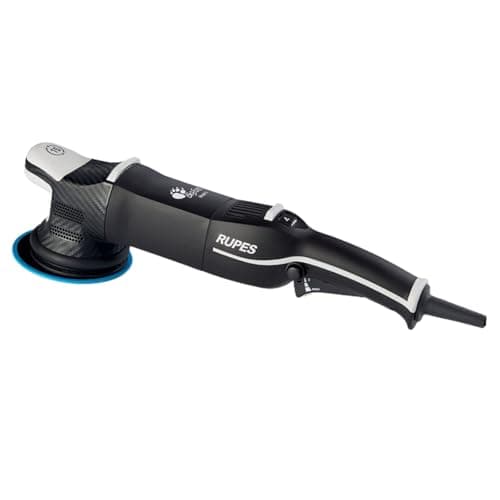 RUPES BigFoot LHR15 Mark V Random Orbital Polisher Correcting whole cars quickly, if the budget is not the constraint | RUPES | 15mm | $552.00At Amazon |
| 03 | 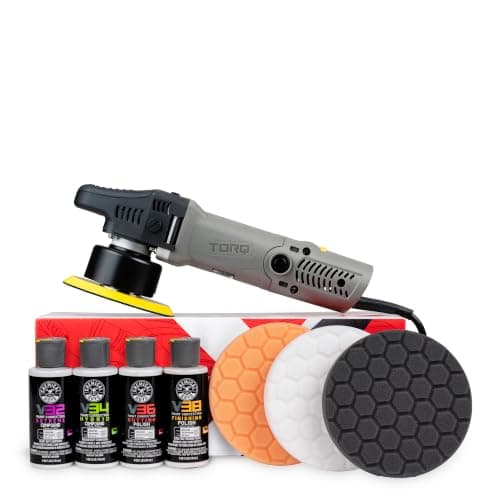 Chemical Guys TORQX Random Orbital Polisher Kit A complete first kit rather than a bare machine | Chemical Guys | 8mm | $219.99At Amazon |
| 04 | 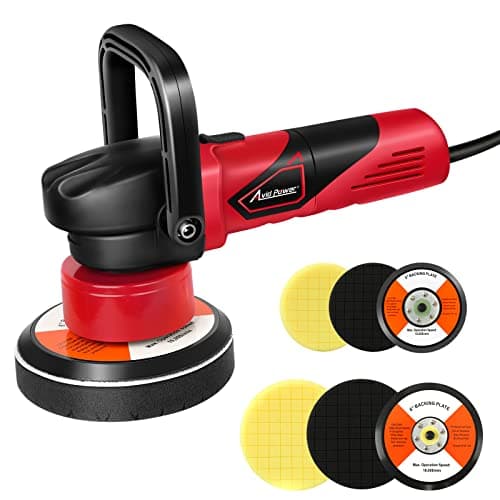 AVID POWER 5/6 in Dual Action Polisher Kit Finding out whether you actually enjoy machine polishing | AVID POWER | 7.0 | $49.99At Amazon |
| 05 | 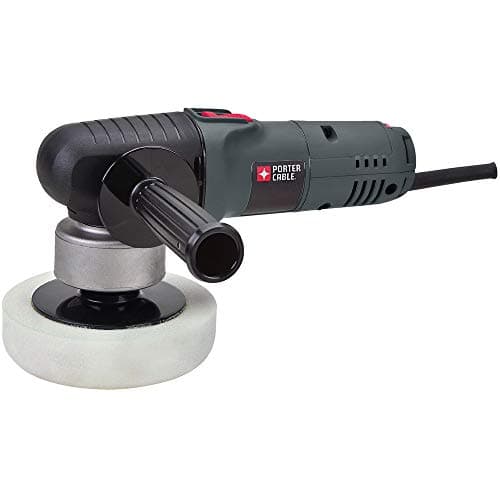 PORTER-CABLE 7424XP Variable Speed Polisher The machine that taught a generation to polish, still cheap | PORTER-CABLE | 7.7 | $159.00At Amazon |
A dual action polisher does two things at once: it spins, and the whole spindle orbits. The orbit is the throw, measured in millimeters, and it is the single number that separates the tiers. A 8mm throw machine covers less paint per pass and generates less heat; a 15mm or 21mm machine covers more and cuts faster, but needs a steadier hand near edges and body lines.
Everything else — wattage, speed dial, counterweight, ergonomics — matters, but it matters second. A 9mm machine with the right pad and a modern compound will correct paint that an inexperienced operator cannot correct with a long-throw machine, because the long throw punishes mistakes faster.
| Throw | What it suits | Honest trade-off |
|---|---|---|
| 8 to 9mm | Tight panels, pillars, spot correction, first machine | Slower on a full car. You will feel it on a hood. |
| 12 to 15mm | Full-car correction, the sweet spot for most owners | Needs more care within an inch of an edge |
| 21mm | Large flat panels, trucks, fleet work | Awkward on anything curved. Rarely the right first machine. |
| Rotary | Deep defect removal, wet sanding follow-up | Burns paint if you stall it. Not a first machine. |
A plausible first correction kit is a machine, four pads and two liquids. Buyers routinely spend 70% of the budget on the machine and then run it with whatever pads came in the box — which is backwards, because the pad and the liquid are what touch the paint.
Our ranked machines are in the dual action polisher roundup, and if this is a first machine the shorter, more opinionated list is the beginner roundup. For the consumables, see polishing pads and compounds and polishes.
Correction is the third stage of a five-stage job, and doing it out of order wastes the work. You wash, you decontaminate, you correct, you protect, and then you maintain. Polishing a car that still has bonded iron and tar in the paint drags that contamination across the panel under a pad — which is how a correction session ends with more marring than it started with.
So before the machine comes out: a proper two bucket wash, an iron remover, and a clay bar if the paint still feels rough through a plastic bag. Afterwards the paint is bare and unprotected, which is the moment to apply a ceramic coating or a sealant — not next weekend.
The full sequence with timings is in the detailing order of operations, which is the page to read if you have ever wondered whether you clay before or after you polish.
We have not run these machines side by side on the same panel, and no page here pretends otherwise. What you get instead is the published specification for each one, cited, plus the failure patterns that show up consistently across verified-purchase reports and enthusiast forums — bearing noise at speed six, backing plates that wobble out of true, counterweights that buzz. Those patterns are genuinely useful and they are the honest version of what we can know.
Where a manufacturer does not publish a figure, the spec table says Not published rather than carrying an estimate. There are more guessed numbers in this category than almost any other, and an invented wattage is worse than a blank.
Everything in this section
Each one carries its own picks, live prices, and a plain statement of who should skip them.
Best overall
Six machines from a $50 first polisher to a 15mm long-throw, ranked on throw, control and what each tier genuinely buys you.
Updated October 2026
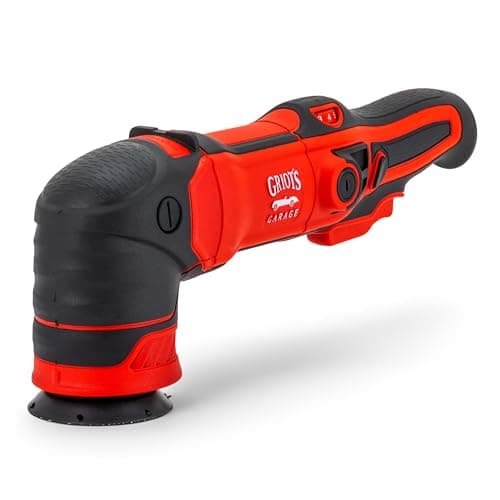
Best first machine
Four short-throw machines chosen for forgiveness rather than speed, from a $50 trial polisher to a complete kit.
Updated October 2026
Best under $200
Four machines under $200, ranked on what the saving costs you in build quality, speed and longevity.
Updated October 2026
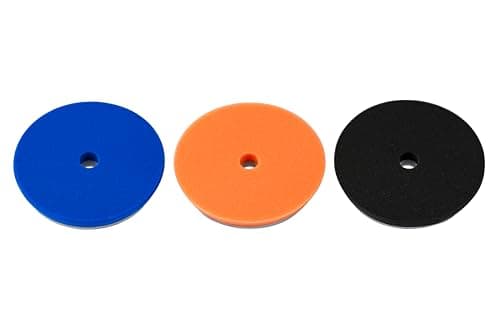
Best pads
Five pads across foam and microfiber, ranked on cut, finish and how long they survive. Includes why to buy four of one rather than one of four.
Updated October 2026
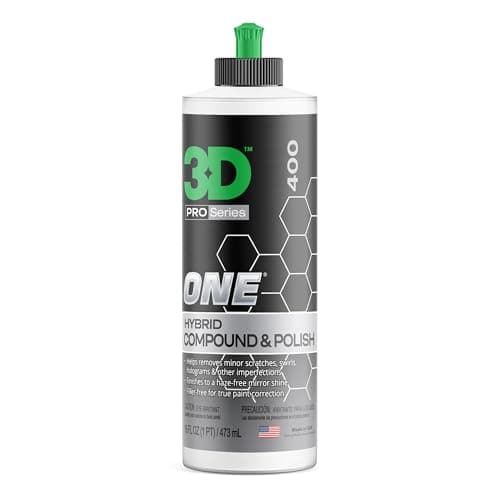
Best compounds
Seven correction liquids from a $14 all-rounder to a professional heavy cut, ranked on cut, finish and how forgiving each is to work.
Updated October 2026
Dual action vs rotary
The safety mechanism that separates these two machine types, which defects each can reach, and why a rotary is never a first polisher.
Updated October 2026
Dual action vs orbital
Why 'dual action', 'random orbital' and 'orbital' are used interchangeably, which one cannot correct paint, and what to check before you buy.
Updated October 2026
G8 vs G9
The two Griot's short-throw machines compared on the three things that actually differ: throw, weight and motor, with live prices on both.
Updated October 2026
G9 vs long throw
Short throw against long throw: how much time the longer throw actually saves, what it costs you in control, and who should buy which.
Updated October 2026
Compound vs polish
Abrasive size, what each stage is for, and the test that tells you whether your car needs a second bottle at all.
Updated October 2026
How to use a DA polisher
The full sequence from taping the car to the final inspection, including the speed settings, the section size and the five places mistakes happen.
Updated October 2026
How to polish a car
The complete process with realistic timings: wash, decontaminate, test section, correct, protect — and what polishing genuinely cannot fix.
Updated October 2026
Paint correction steps
One-step against two-step correction, how to judge which your paint needs, and the honest limit on how much clear coat you can spend.
Updated October 2026
How to remove swirl marks
Where swirl marks actually come from, the machine process that removes them, and the wash changes that stop you doing this again in a year.
Updated October 2026
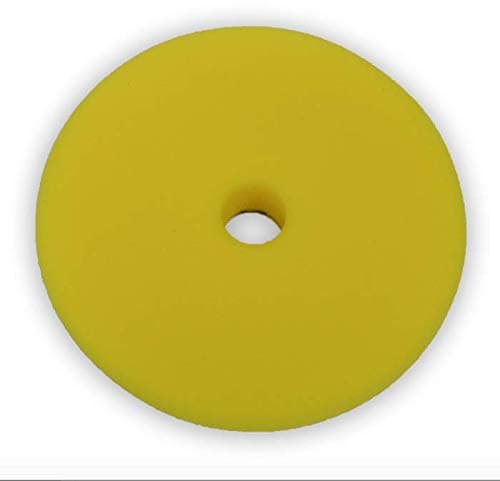
Pad colors explained
Why pad colors mean nothing across brands, what the main makers' systems actually are, and the two things to read instead of the color.
Updated October 2026
Read before you buy
The questions that actually decide the purchase, answered one page at a time.
How to use a DA polisher
The full sequence from taping the car to the final inspection, including the speed settings, the section size and the five places mistakes happen.
Updated October 2026
Paint correction steps
One-step against two-step correction, how to judge which your paint needs, and the honest limit on how much clear coat you can spend.
Updated October 2026
How to remove swirl marks
Where swirl marks actually come from, the machine process that removes them, and the wash changes that stop you doing this again in a year.
Updated October 2026
Pad colors explained
Why pad colors mean nothing across brands, what the main makers' systems actually are, and the two things to read instead of the color.
Updated October 2026
Every published figure on this page traces to one of these. Where a manufacturer does not publish a number, the page says so rather than estimating it.
Last reviewed October 5, 2026. Think a figure here is wrong? Tell us at contact@detailingandwax.com and we will check it, fix it and date the correction — see our editorial policy.