Independent picks for detailing your own car. We stock nothing, so we have nothing to move.
01
Interior
How to clean car windows without streaks
Streaks are almost always too much product and one towel doing two jobs. Two towels, a light mist and a final dry buff fixes it — and it works on the inside too.
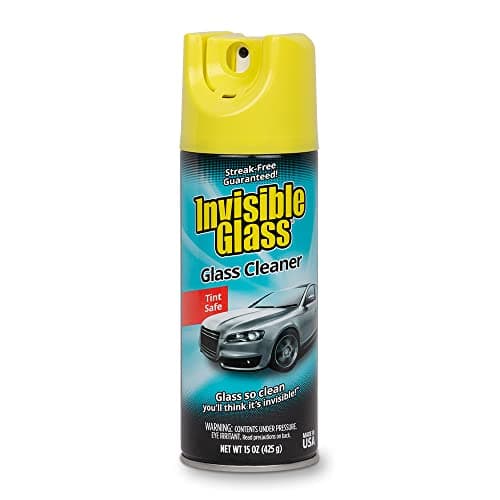
Featured here: the Invisible Glass Auto Glass Cleaner Foaming Spray.
How this is funded: we earn an Amazon commission when you buy through our links, at no extra cost to you. We sell nothing and stock nothing, so a pick is never a product we are trying to move. Prices are pulled live from Amazon and were last checked November 19, 2026; where we cannot verify a price we say so rather than print an old one. Full disclosure.
Research-basedPicked from published manufacturer specifications and the consistent pattern across verified-purchase owner reports. Every product here scores 8.4 or better on our rubric.How we pick
Top pickInvisible Glass
Invisible Glass Auto Glass Cleaner Foaming Spray
Ammonia-free, leaves no residue at all, and the aerosol foam clings to a vertical windshield instead of running into the dash.
Streaks come from too much product and one towel doing two jobs. The fix is the two-towel method: mist lightly onto the towel rather than the glass, wipe with the first towel, then immediately buff dry with a second clean dry towel before it evaporates. Work one window at a time, out of direct sun, and use an ammonia-free cleaner so you do not damage tint film or dry out interior plastics.
02
Why car glass streaks when house glass does not
Car glass is a harder job than a window at home, for three reasons that all push in the same direction.
It is steeply raked, so you cannot get your hand square to it, especially the inside of a windshield. It is contaminated differently — the inside carries an oily film from plastics and vinyl off-gassing in the heat, and the outside carries road film and bonded minerals. And it is often hot, which flashes the cleaner before you can buff it, leaving the residue behind as a streak.
Streaking is a diagnosis, not one problem
Symptom
Cause
Fix
Streaks in the direction you wiped
Too much product, not buffed dry
Less product, second dry towel
Hazy smear across the whole pane
Oily film being spread, not removed
Clean twice; first pass removes the film
Spots that will not wipe off
Bonded minerals — water spot etching
A water spot remover, not glass cleaner
Streaks that appear only in sunlight
Residue from a contaminated towel
A dedicated glass towel, washed separately
Rainbow smear
Silicone from dressing overspray
An interior cleaner first, then glass cleaner
Perfect inside, streaky outside
Cleaner flashing on hot glass
Work in shade, one window at a time
03
What to look for in a glass cleaner
Ammonia free. Ammonia attacks aftermarket tint film adhesive and dries out vinyl and rubber. Every product below is ammonia free for this reason.
Tint safe, stated on the label. Rear windows on many cars are tinted from the factory and the film is on the inside.
No residue by design. A cleaner that leaves a protective film is working against you on glass.
Foaming, for vertical glass. Foam clings instead of running straight down into the door card. Liquid is fine for interior panes you can lay flat.
A size that matches your usage. A gallon refill is cheaper per wash if you clean a lot of glass; a trigger bottle is enough otherwise.
04
Ammonia-free glass cleaners that do not streak
An aerosol foam, two trigger sprays and a gallon refill — all ammonia free and tint safe. Prices are live from Amazon.
Invisible GlassCategory-definingSpec-verified
Invisible Glass Auto Glass Cleaner Foaming Spray
Best for: The glass cleaner detailers actually use
Ammonia-free, leaves no residue at all, and the aerosol foam clings to a vertical windshield instead of running into the dash. It is the one product on this page with essentially no competition.
Streak freedom
Exceptional
Tint safety
Exceptional
Ease of use
Exceptional
Value
Exceptional
Why we picked it
No residue whatsoever, which is the whole job
Ammonia free, so it is safe on tint and coatings
Foam stays where you spray it
Good to know. Not a heavy cleaner for baked-on film
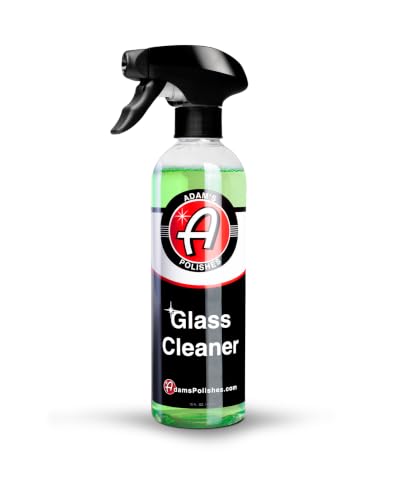
Ammonia-free trigger spray that handles the interior film most glass cleaners struggle with. Trigger format gives more control over how much you use than an aerosol, at the cost of some cling.
Streak freedom
Strong
Tint safety
Exceptional
Ease of use
Strong
Value
Strong
Why we picked it
Good on the interior film other cleaners leave behind
Trigger control over how much you use
Tint safe
Good to know. A 16 oz bottle runs well over twice the price per ounce of the same cleaner in a gallon
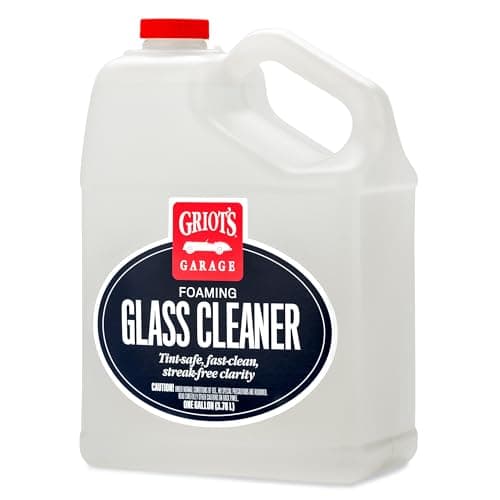
Foaming, tint-safe and no-streak, which is the correct specification for automotive glass. Functionally very close to the aerosol competition, at a price that only makes sense if you are already buying Griot's products.
Streak freedom
Strong
Tint safety
Exceptional
Ease of use
Exceptional
Value
Adequate
Why we picked it
Foam clings to vertical glass
Tint safe and ammonia free
Griot's satisfaction policy
Good to know. More expensive than equivalent products
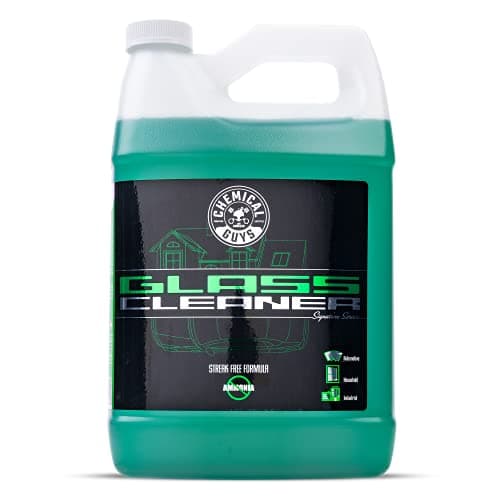
A gallon of ammonia-free, tint-safe glass cleaner to refill a spray bottle from. The chemistry is conventional; the format is the reason to buy it, and it works out considerably cheaper per use than aerosols.
Streak freedom
Strong
Tint safety
Exceptional
Ease of use
Good
Value
Exceptional
Why we picked it
Cheapest per use by a distance
Ammonia free and tint safe
Refills whatever bottle you prefer
Good to know. A gallon is a multi-year supply for one car
01Work in shade, on cool glass. Hot glass flashes the cleaner and guarantees streaks.
02Use two clean, dry, dedicated glass towels. Waffle-weave or low-pile towels work best; plush drying towels are the wrong tool here.
03Mist the towel, not the glass. This single change solves most streaking, because it stops you using five times more product than the pane needs.
04Wipe the full pane with the first towel, horizontally on the outside and vertically on the inside — so if a streak survives you know which side it is on.
05Immediately buff dry with the second towel, before the cleaner evaporates on its own. This is the step that actually removes the residue.
06Lower the window an inch and do the top edge. The strip that hides in the seal is the bit everyone misses and the first bit you notice afterwards.
07Check from inside and outside at an angle before moving on. Streaks are invisible straight-on and obvious at 30 degrees.
06
The inside of a windshield
This is the hardest pane in the car and it deserves its own approach. You cannot get a flat hand onto it from the driver's seat, and reaching across from the passenger side puts your weight on the dashboard.
Work from the passenger seat facing backwards, or from outside through an open door. Wrap the towel around a flat hand or a small flat applicator so the pressure is even — a bunched towel in a fist only touches the glass in three places, and the gaps between them become the streaks. Do the bottom few inches at the base of the glass last, because that is where the film is heaviest.
Dedicated glass towels, kept separate
A towel that has touched wax, dressing or interior protectant will smear glass no matter how clean it looks, because the residue is in the fibers. Keep two towels for glass only, in a color you will not mix up, and wash them separately — how to wash microfiber towels covers why that matters and how to do it.
07
When it is not the cleaner's fault
Some marks are not dirt. Bonded minerals from sprinkler water or hard water etch into glass and will not wipe off with any glass cleaner, because the problem is in the surface rather than on it. Those need a dedicated water spot remover — how to remove water spots covers the process.
Silicone from tire dressing or trim protectant overspray is the other common culprit, and it produces a distinctive rainbow smear that spreads rather than lifts. Remove that with an interior cleaner or all-purpose cleaner first, then clean the glass normally. The best car glass cleaners has the full ranking, and the car interior detailing guide puts glass in the right place in the sequence — which is last, after everything that could overspray onto it.
08
Our recommendation
Buy this one
Invisible Glass Auto Glass Cleaner Foaming Spray
Ammonia-free, leaves no residue at all, and the aerosol foam clings to a vertical windshield instead of running into the dash.
How do you clean car windows without leaving streaks?
Mist the cleaner onto the towel rather than the glass, wipe the pane with one towel, then immediately buff dry with a second clean dry towel before the cleaner evaporates. Work on cool glass in shade, one window at a time, with towels kept only for glass.
Why does my car windshield streak when I clean it?
Almost always too much product combined with one towel doing both the wiping and the drying. On interior glass there is a second cause: an oily film from trim plastics off-gassing, which one pass spreads rather than removes. Interior glass usually needs cleaning twice.
How do you clean the inside of a windshield?
Work from the passenger seat facing backwards or from outside through an open door, with the towel wrapped around a flat hand or flat applicator so pressure is even. A bunched towel only contacts the glass in a few places and the gaps become streaks. Do the base of the glass last.
Can you use Windex on car windows?
Not on tinted glass. Ammonia-based cleaners attack aftermarket tint film adhesive and dry out vinyl and rubber, and the tint film is on the inside of the window. Use a cleaner labelled ammonia free and tint safe instead.
Why do spots on my car glass not wipe off?
They are probably bonded minerals from hard or sprinkler water, etched into the glass rather than sitting on it. No glass cleaner will remove those — they need a dedicated water spot remover.
What towel is best for cleaning car glass?
A low-pile or waffle-weave microfiber kept exclusively for glass, and two of them so one can wipe and one can buff dry. Plush drying towels are the wrong tool, and any towel that has touched wax or dressing will smear glass regardless of how clean it looks.
Should you clean car glass first or last?
Last. Interior dressings and protectants overspray onto glass, and tire dressing and trim products leave a silicone rainbow smear that has to be removed before the glass will clean up properly. Doing glass last avoids redoing it.
10
Sources
Every published figure on this page traces to one of these. Where a manufacturer does not publish a number, the page says so rather than estimating it.
Last reviewed October 17, 2026. Think a figure here is wrong? Tell us at contact@detailingandwax.com and we will check it, fix it and date the correction — see our editorial policy.